
Introduction
Gastroesophageal reflux disease (GERD) is a widespread condition that causes discomfort and disrupts sleep. Understanding how your sleeping position affects GERD symptoms is crucial. Choosing the correct side to sleep on can alleviate discomfort and improve sleep quality. This comprehensive guide delves into the best sleeping positions for GERD relief and offers practical tips for achieving a restful night’s sleep.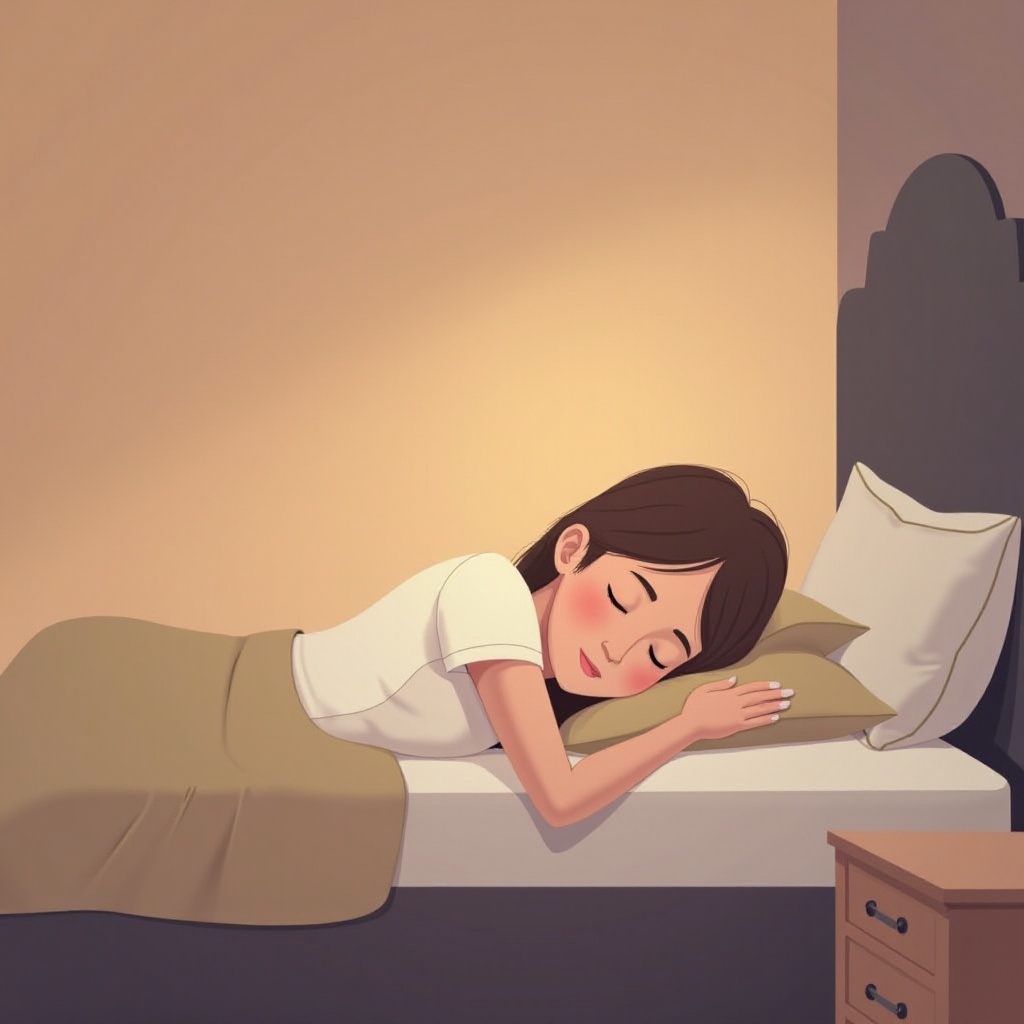
Understanding GERD and Sleep Positions
GERD affects millions with symptoms like heartburn and acid regurgitation, often intensifying at night. Sleep positions play a critical role in controlling these symptoms. When lying down, stomach acid can more easily move into the esophagus, leading to irritation. A strategic sleep position helps harness gravity to keep acid confined to the stomach, reducing nighttime reflux.
Sleep positions influence GERD’s nighttime impact. Recognizing the connection between these positions and GERD is essential for effective management. As we explore the science of sleeping positions, the answer to which side better manages GERD symptoms will become clear.
The Science Behind Sleeping Positions
Gravity plays a pivotal role in mitigating GERD symptoms during sleep. While upright, gravity helps keep stomach acid in the stomach. However, this effect diminishes when lying down. Sleep positions alter gravity’s influence, impacting reflux management significantly.
Research suggests that sleeping on the left side alleviates GERD symptoms. This position helps prevent acid from moving into the esophagus, aligning the stomach and esophagus to minimize reflux. By contrast, the right-side position may allow acid to escape more freely, exacerbating symptoms. Understanding the anatomical and physiological reasons for this can help individuals make informed sleeping position choices.
Which Side Should You Sleep On for GERD?
Studies indicate that left-side sleeping reduces GERD symptoms more effectively than the right side. This position helps maintain the junction between the stomach and esophagus above stomach acid levels. Gravity helps keep stomach contents stable, reducing acid exposure to the esophagus and easing symptoms.
Conversely, sleeping on the right side may worsen reflux. This position can allow acid to escape into the esophagus more easily, aggravating GERD symptoms. Adopting the left-side position is a straightforward yet effective strategy for managing nighttime reflux and enhancing sleep quality.
Tips for Better Sleep with GERD
While left-side sleeping is vital for GERD management, several additional strategies can improve sleep quality:
- Elevate Your Bed’s Head: Use a wedge pillow or elevate the bed’s head to limit acid reflux.
- Avoid Late Meals: Finish eating 2-3 hours before bedtime to aid digestion.
- Select the Right Foods: Steer clear of trigger foods and drinks like fatty foods, caffeine, and alcohol.
- Cultivate a Comfortable Sleep Environment: Ensure your mattress supports proper posture, and keep the room cool and dark.
Implementing these strategies alongside left-side sleeping can effectively control GERD symptoms, reducing discomfort and improving sleep quality.
Conclusion
GERD can seriously impact both daily life and sleep quality. Effective management involves choosing the right sleeping position. Research supports that sleeping on the left side can reduce symptoms and improve sleep. By following the outlined tips, such as bed elevation and dietary adjustments, individuals with GERD can take proactive steps toward relief.
Frequently Asked Questions
Is it safe to sleep on your back if you have GERD?
Sleeping on your back can increase GERD symptoms by allowing stomach acid to move more freely into the esophagus. Consider elevating your head if you prefer this position.
Can sleeping on the right side worsen GERD symptoms?
Yes, sleeping on the right side can exacerbate GERD symptoms. It’s generally recommended to sleep on your left side to reduce acid reflux.
What other lifestyle changes can help manage GERD at night?
Besides adjusting your sleep position, avoid late meals and trigger foods, elevate your bed’s head, and maintain a healthy weight for better nocturnal GERD management.