
Introduction
Finding yourself frequently reaching for tissues due to yellow mucus can be a distressing experience. Understanding what influences the color of mucus is crucial for maintaining your health. Mucus, a sticky substance produced by membranes lining the respiratory tract, plays a vital role in protecting us against infections and debris. The color of your mucus can reveal significant information regarding your health, and yellow mucus often raises particular concerns. A common question that emerges is: can allergies lead to yellow mucus? In this article, let’s unravel this connection and provide clarity on this often-misunderstood topic.
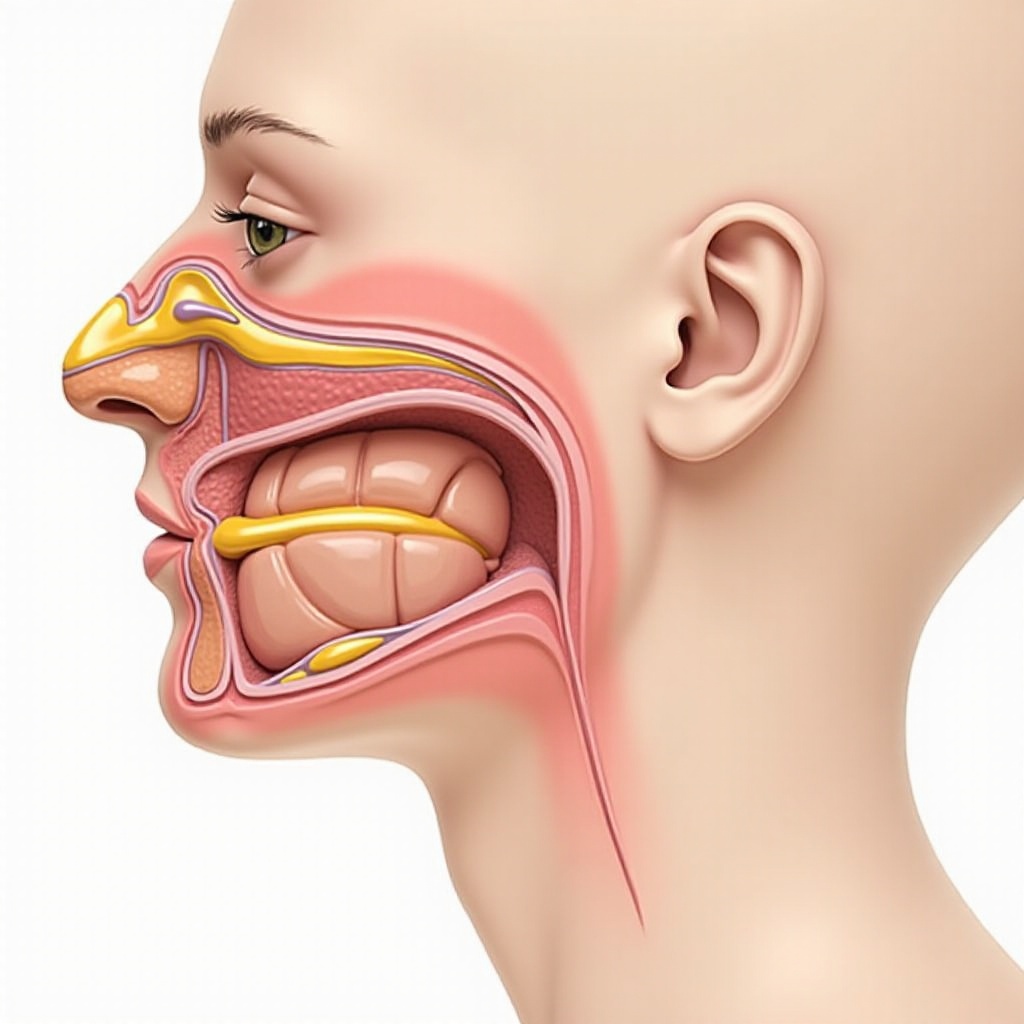
The Science of Mucus
What is Mucus and Why Do We Produce It?
Mucus is a gel-like substance that vitalizes many of the body’s systems and plays an indispensable part in our immune defense. It primarily traps foreign particles like dust, bacteria, and viruses, preventing them from permeating the body. By doing so, mucus acts as a barrier, keeping the respiratory system clean and moist. The continuous production and movement of mucus help flush out these trapped particles from our respiratory tract.
Mucus Colors and Their Meanings
The color of mucus can vary significantly, providing essential clues about our health status. Clear mucus is typical and indicates a healthy body. However, other colors may suggest different health conditions. White mucus might point to nasal congestion, whereas green or yellow mucus often signals an infection or an active immune response. Knowing these color implications assists in understanding what your body tries to communicate.
Allergies and Their Symptoms
Common Types of Allergies
Allergies are exaggerated immune responses to foreign substances or allergens. Common allergens include pollen, dust mites, pet dander, and certain foods. When exposed to these allergens, the body triggers reactions to eliminate them, leading to various symptoms.
How Allergies Affect the Respiratory System
Allergies can profoundly impact the respiratory system. Inhaling allergens causes inflammation in the nasal passages and airways, which often results in increased mucus production as the body attempts to flush out the allergens. This surplus mucus may thicken, leading to congestion and noticeable respiratory discomfort.
Understanding how allergies can lead to yellow mucus requires delving into the immune system’s responses. This understanding bridges the gap between symptom recognition and appropriate action.
Yellow Mucus: Causes and Implications
When Yellow Mucus Appears
Yellow mucus generally indicates that the body is actively combating an infection or inflammation. It often means that white blood cells are present to tackle invading pathogens. These cells can give the mucus its yellow color as they accumulate in the affected area.
Allergies vs. Infections: Key Differences
While both allergies and infections can result in yellow mucus, understanding the difference is essential for effective treatment. Allergies often accompany other symptoms, such as sneezing, itchy eyes, and skin rashes. In contrast, infections usually involve fever and body aches. Distinguishing between the two ensures that the right approach is taken to alleviate symptoms.
This clear identification allows individuals to approach treatment options with a better understanding of the underlying condition, whether it’s a persistent allergy or a temporary infection.
Can Allergies Cause Yellow Mucus?
Mechanism of Allergy-Induced Mucus Color Change
Allergies can indeed cause yellow mucus. When allergens enter the nose, they irritate its lining, prompting it to ramp up mucus production as a defense mechanism. Continued exposure to allergens can cause the mucus to thicken and change color, turning yellow if white blood cells are actively involved in combating the allergens.
Identifying Allergy Symptoms Coupled with Yellow Mucus
It’s crucial to note all symptoms to achieve an accurate diagnosis. Typically, allergy-related yellow mucus appears with symptoms such as sneezing, itchiness, and watery eyes. These accompanying symptoms help confirm allergies as the cause, distinguishing them from infections and other health conditions.
Recognizing these distinctions enables more effective interventions, focusing on the alleviation of specific allergic symptoms.
Diagnosis and When to Seek Medical Advice
Diagnostic Procedures
If yellow mucus persists and affects daily life, consulting a healthcare provider is prudent. They may perform a physical exam, evaluate your medical history, and possibly conduct allergy tests. Nasal swabs or blood tests might also be employed to identify specific allergens or rule out infections.
Signs That You Need Medical Attention
Persistent yellow mucus accompanied by concerning symptoms like high fever, shortness of breath, or continuous fatigue should not be ignored. These could signal conditions that require more targeted interventions. Prompt professional evaluation increases the prospects for successful treatment.
With the correct diagnosis, individuals can pursue effective treatments, shaping a course that directly addresses their concerns and health goals.

Treatment Options for Allergy-Induced Yellow Mucus
Over-the-Counter Solutions
Various readily available treatments exist for allergy-induced yellow mucus. Antihistamines can reduce allergic responses, while decongestants alleviate nasal swelling. Nasal sprays and saline rinses help clear excessive mucus and soothe nasal irritation.
Home Remedies and Lifestyle Adjustments
Maintaining hydration, using a humidifier, and avoiding known allergens are crucial in relieving symptoms. Employing dustproof covers on pillows and mattresses or using air purifiers can diminish indoor allergens. Simple lifestyle adjustments like these can deliver significant relief and minimize mucus color changes over time.
Together, prescription solutions and lifestyle changes provide a comprehensive approach that caters to immediate needs and supports long-term health.
Prevention Tips for Managing Allergy Symptoms
Avoiding Common Allergens
Identifying and avoiding exposure to allergens remains a most effective preventive strategy. Monitoring pollen forecasts, keeping windows closed during high pollen times, and washing clothes or hair after outdoor activities limit allergens brought into the home.
Long-term Strategies for Allergy Relief
Medication routines, allergy shots (immunotherapy), or wearing masks when necessary can alleviate allergic responses. Consulting an allergist can help tailor a long-term plan appropriate for specific allergies and lifestyle requirements, ensuring optimal respiratory health over time.
Through these actions, individuals can minimize exposure and enhance their overall health, gaining control over symptoms that might otherwise disrupt their quality of life.

Conclusion
Navigating the challenges of allergies and their symptoms, including yellow mucus, involves understanding and vigilance. Identifying the cause allows for targeted actions to mitigate discomfort and enhance overall wellness. Employ proactive strategies, and don’t hesitate to seek professional assistance for symptoms that continue.
Frequently Asked Questions
Can seasonal allergies lead to yellow mucus?
Yes, seasonal allergies often enhance mucus production, potentially turning it yellow if inflammation persists.
How long does allergy-related yellow mucus last?
It typically lasts until allergen exposure is minimized, often resolving with proper management.
What are the best methods to prevent yellow mucus from allergies?
Avoiding allergens, ensuring proper hydration, and using suitable medications are key to prevention.