
Introduction
A fever is your body’s natural response to infections and illnesses, signaling that your immune system is actively fighting off harmful invaders. However, when your body temperature spikes to 104 degrees Fahrenheit, it raises concerns. It is essential to know when a fever transitions from a typical immune response to a potential health hazard. This comprehensive guide will help you understand the implications of a 104 fever, providing insights into its causes, symptoms, and effective management strategies.

What is Considered a High Fever?
While a mild fever can be uncomfortable, it is typically harmless. Understanding what constitutes a high fever is key to determining the severity of the situation.
- Fever Levels and Their Meanings: A normal body temperature ranges from 97°F to 99°F. A fever is clinically significant when the body temperature exceeds 100.4°F. When temperatures soar to 104°F or higher, the fever is categorized as high and can become dangerous, necessitating close monitoring and possible intervention.
Recognizing the threshold for high fevers leads us to explore their potential causes.
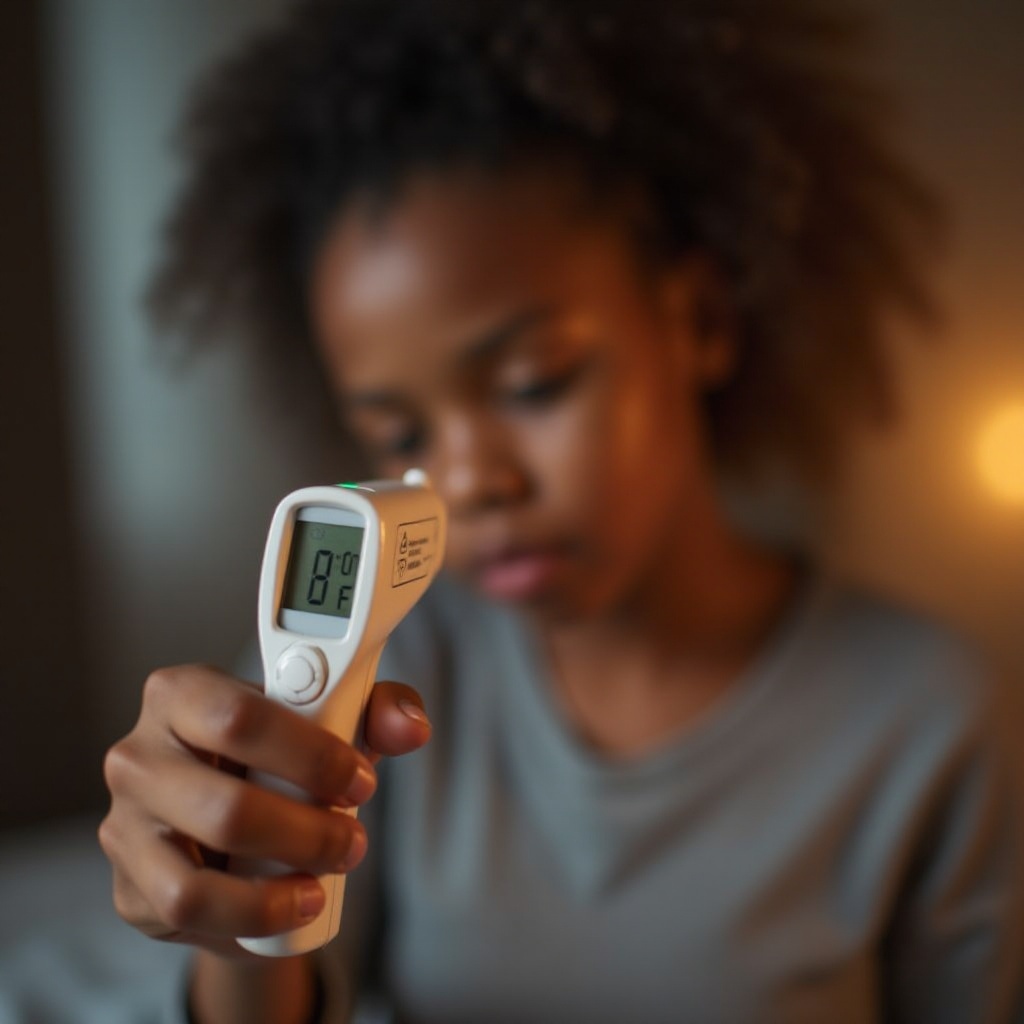
Causes of a 104 Fever
Identifying the underlying causes of a 104 fever is crucial in addressing the problem effectively.
-
Common Infectious Causes: The most frequent culprits of high fevers are viral infections like influenza and COVID-19. Bacterial infections, such as pneumonia or a severe urinary tract infection, can also result in elevated body temperatures.
-
Other Medical Conditions: Apart from infections, non-infectious conditions such as heatstroke, side effects from medications, or autoimmune diseases can induce high fevers.
Understanding these causes equips you to respond appropriately and seek the right treatment.
Symptoms Accompanying a 104 Fever
High fevers come with a range of symptoms that can vary from mild to severe. Recognizing these symptoms can help determine the seriousness of the condition.
-
Common Symptoms: Typical symptoms accompanying high fevers include excessive sweating, chills, headaches, and fatigue.
-
Severe Symptoms that Require Immediate Attention: If severe symptoms such as confusion, difficulty breathing, chest pain, or persistent vomiting occur alongside a fever, they should be treated as medical emergencies.
By recognizing these signs, you can make informed decisions about when professional medical intervention is necessary.
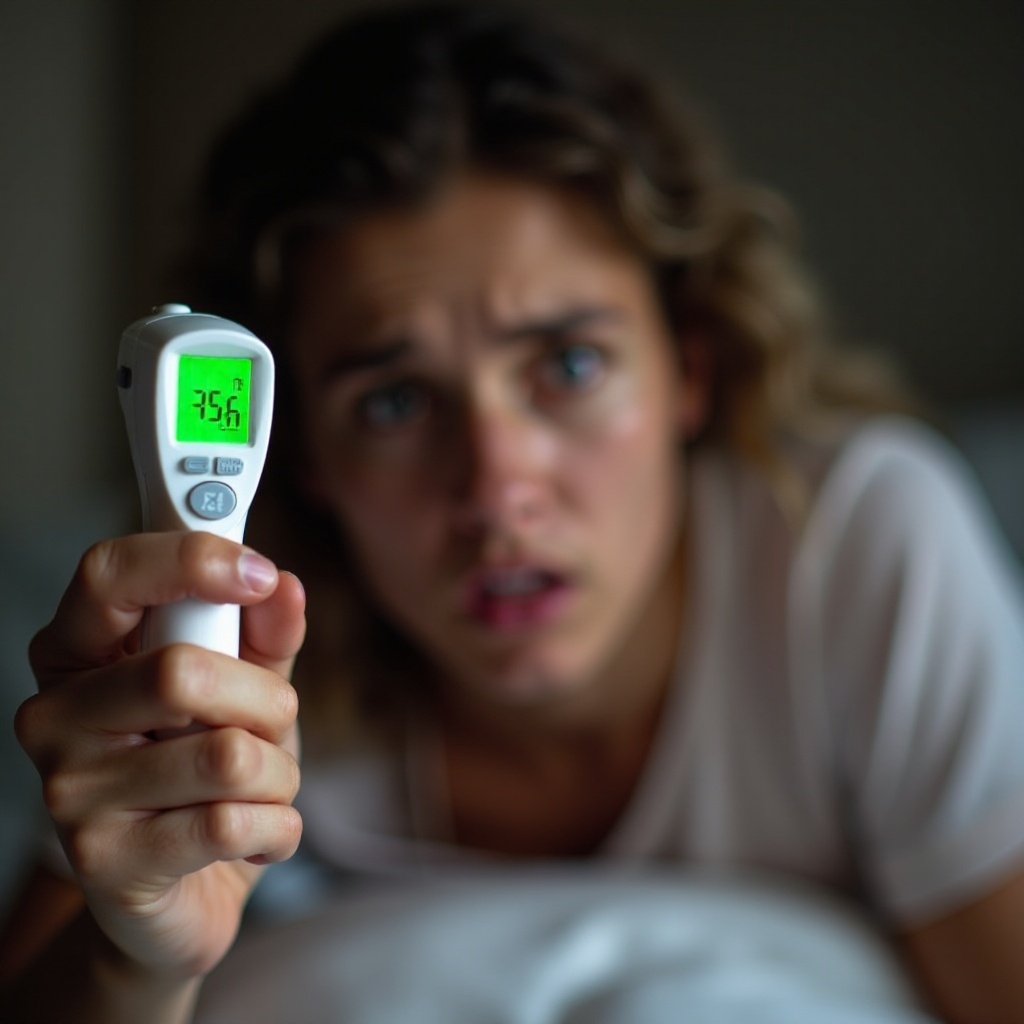
Assessing the Dangers of a 104 Fever
The impact of a 104 fever can differ notably between adults and children, with each group experiencing distinct risks.
-
Risks in Adults: Persistent high fevers in adults can result in dehydration or exacerbate existing health conditions. It’s important for adults to monitor their symptoms closely and remain hydrated to mitigate potential complications.
-
Risks in Children: Children are more vulnerable to high fevers. A 104 fever in a child can lead to febrile seizures, which, while generally not harmful, require evaluation. Hence, parents should maintain vigilant observation.
Understanding these risks highlights the importance of prompt and appropriate action.
Treatment and Management Options for High Fevers
Once the cause of the fever is identified, it is crucial to consider the most effective treatment and management options.
- At-Home Care Strategies:
- Ensure adequate fluid intake to prevent dehydration.
- Maintain a cool and comfortable environment, avoiding heavy clothing and blankets.
-
Use over-the-counter medications like acetaminophen or ibuprofen for fever reduction, following the recommended dosage for age-specific groups.
-
Medical Treatments: If at-home remedies prove ineffective or if severe symptoms manifest, consult a healthcare provider. They may prescribe antibiotics for bacterial infections or recommend additional diagnostic tests to determine the fever’s origin.
By employing these strategies, you can effectively manage symptoms and promote recovery.
When to Seek Professional Medical Help
While mild fevers often resolve on their own, there are instances when professional medical attention is essential. Seek out a doctor if:
– The fever persists beyond three days.
– Severe symptoms accompany the fever, such as difficulty breathing or chest pain.
– Dehydration signs are present, such as infrequent urination or dark urine.
Promptly seeking help when necessary can prevent complications and ensure the best health outcomes.
Conclusion
A comprehensive understanding of a 104 fever’s implications is vital for managing it effectively. By being informed about potential causes, risks, and treatments, you’re better equipped to make informed decisions about seeking medical care. Always prioritize safety and never hesitate to reach out to healthcare professionals if uncertainty arises.
Frequently Asked Questions
What should I do if I have a fever of 104?
Begin by staying hydrated, resting, and possibly taking an over-the-counter fever reducer. Monitor symptoms and seek medical advice if the fever persists or worsens.
How long can a high fever last before it becomes dangerous?
If a high fever lasts more than three days or is accompanied by severe symptoms, it is advisable to seek medical evaluation.
Can a 104 fever cause brain damage?
It’s rare, but extremely high or prolonged fevers could potentially cause complications. Monitoring and managing symptoms is key to preventing long-term consequences.