
Introduction
Hangnails can be a small yet irritating problem that affects many people. These tiny pieces of torn skin near the cuticles are both unsightly and painful if left untreated. The frequent occurrence of hangnails might leave you questioning their causes and how to prevent them. In this article, we’ll dive into why hangnails form, methods to prevent them, and the best treatments to keep them at bay. Understanding these aspects will help you maintain healthier, more attractive nails and cuticles.
Understanding Hangnails
What Are Hangnails?
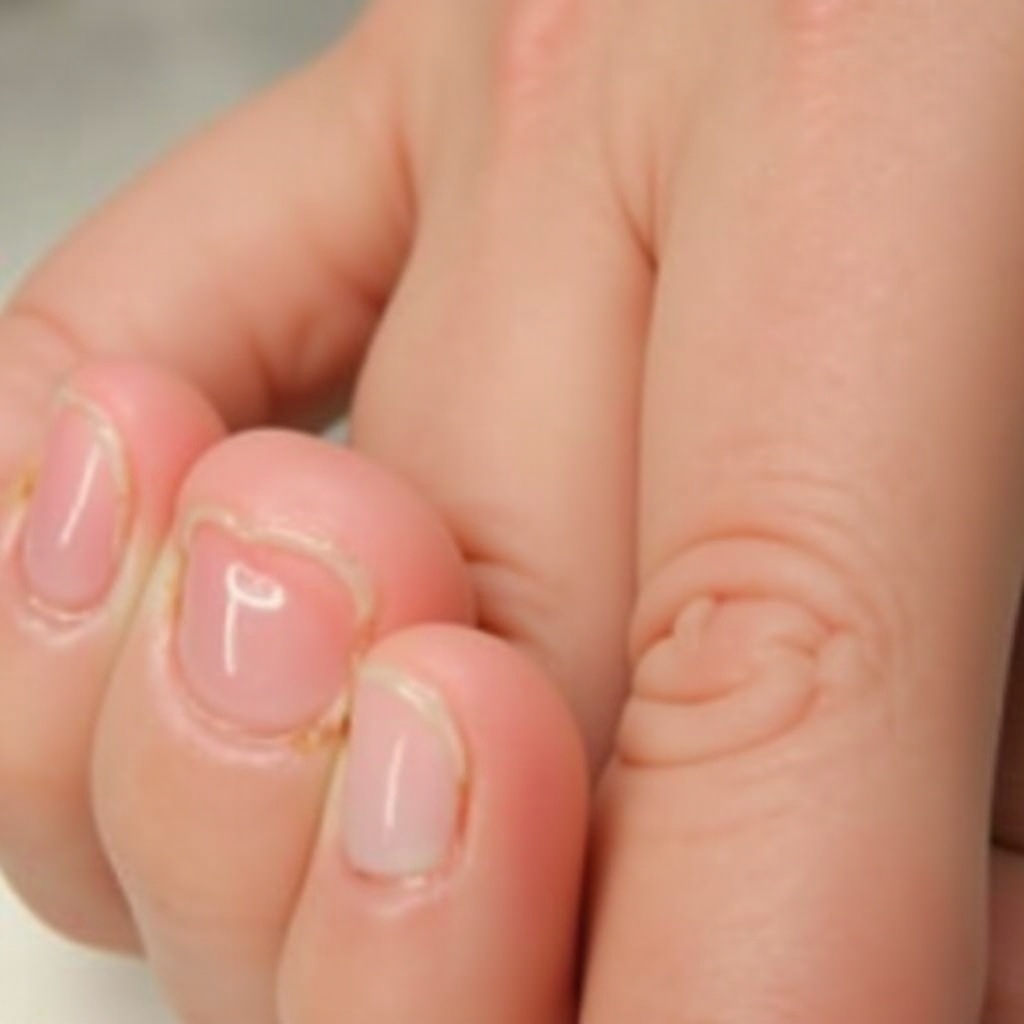
Hangnails are small, pointed strips of skin that detach from the edge of a fingernail. Despite their name, hangnails are not part of the nail itself but a piece of cuticle or skin. They usually appear along the nail sides and can cause discomfort or pain, especially when snagged.
How Do Hangnails Form?
Hangnails often form due to dry skin around the nails. When the skin becomes dry, it loses elasticity and becomes prone to tears. Factors such as reduced moisture, frequent hand washing, cold weather, or using harsh detergents contribute to their formation.
Common Causes of Hangnails
Understanding why hangnails develop can help you take preventative action. The causes range from environmental factors to personal habits.
Environmental Factors
Exposure to dry air, especially in winter, is a significant environmental factor leading to hangnails. Cold weather can strip moisture from the skin, resulting in brittle cuticles. Additionally, frequent water exposure can dehydrate the skin, causing it to crack. Wearing gloves during exposure to water or harsh chemicals is essential for maintaining skin moisture.
Nutritional Deficiencies
Diet impacts your nail and skin health. A lack of essential nutrients like vitamins A, C, E, folic acid, and biotin can weaken skin and nails, increasing hangnail risk. Diets low in essential fatty acids may also result in dry, brittle nails. Ensuring a balanced intake of vitamins and minerals is crucial to nail health.
Personal Habits and Hygiene
Personal habits like nail biting or cuticle picking can lead to hangnails. These actions break the skin’s protective barrier, making hangnails more likely. In addition, neglecting hand and nail hygiene can worsen the problem. Regular hand washing, moisturizing, and using a nail brush help maintain nails and cuticles in good condition.
Prevention Strategies for Hangnails
Preventing hangnails is better than treating them. Understanding prevention strategies can reduce their occurrence significantly.
Maintaining a Proper Nail Care Routine
A consistent nail care routine can lessen hangnail occurrence. This routine should include trimming nails and cuticles with clean, sharp tools to avoid tears. Regular tool sanitization is also crucial to prevent infections.
Importance of Moisturization
Keeping hands moisturized is key to prevention. Moisturizers and cuticle oils help keep skin supple and less prone to tearing. Look for products with ingredients like shea butter, lanolin, or vitamin E for rich hydration. Regular application, especially after washing hands, helps maintain moisture.
Dietary Recommendations for Nail Health
Your diet impacts nail and cuticle health. Consuming foods rich in vitamins and essential nutrients supports nail health. Focus on foods like leafy greens, eggs, nuts, seeds, and fatty fish as they are rich in necessary vitamins and fatty acids for strong nails and cuticles.
Effective Treatment Options
If prevention fails and hangnails occur, knowing how to treat them effectively can prevent further issues.
Home Remedies for Hangnail Relief
If you have a hangnail, treat it correctly to prevent infection:
1. Soak the affected finger in warm, soapy water to soften the skin.
2. Trim the hangnail gently with sanitized nail scissors or clippers.
3. Apply an antibacterial ointment to prevent infection.
4. Cover the area with a bandage if needed, especially if the hangnail is near the fingertip.
Professional Treatments
For persistent hangnail issues, visiting a professional manicurist or dermatologist might be beneficial. Professional care offers treatments like precise trimming techniques and specialized moisturizing products. Professionals can also offer advice tailored to your specific nail health needs.
When to Consult a Healthcare Professional
Occasionally, hangnails can cause infections if untreated. Signs of infection include redness, swelling, warmth, or pus around the hangnail. If you experience these symptoms, consult a healthcare provider promptly. They can provide medical treatments, such as topical or oral antibiotics, to resolve the infection.
Conclusion
Understanding hangnail causes, implementing prevention strategies, and knowing the best treatment methods can maintain nail health and avoid hangnail discomfort. By adopting a regular nail care routine, ensuring proper hydration, and meeting nutritional needs, you can minimize hangnail occurrences and enjoy healthier, more appealing nails.
Frequently Asked Questions
Can hangnails be a sign of a more serious health condition?
Frequent hangnails usually result from environmental factors or poor nail care. Consult a healthcare provider if issues persist despite preventive measures.
How can I safely remove a hangnail?
To safely remove a hangnail, soak your hands in warm water to soften the skin. Use sanitized nail scissors to trim the hangnail carefully, avoiding tearing. Keep the area moisturized.
What type of moisturizer is best for preventing hangnails?
Opt for moisturizers rich in emollients like shea butter or lanolin, which effectively lock in moisture. Products with vitamin E or aloe vera offer added nourishment.