
Introduction
Urinary tract infections (UTIs) and yeast infections are common ailments many people face. They can be particularly troubling when they occur frequently. Understanding the reasons behind these recurrent infections is crucial for effective prevention and treatment. In this guide, we’ll delve into the specific causes of both UTIs and yeast infections and explore strategies to help you manage and reduce their recurrence.

Understanding UTIs and Yeast Infections
Differentiating between UTIs and yeast infections is essential for proper treatment. While they share some symptoms, they are fundamentally different conditions.
What Are UTIs?
UTIs typically involve an infection within any part of the urinary system, like the kidneys, ureters, bladder, or urethra. These are usually caused by bacteria entering the urinary tract and can lead to painful symptoms such as a burning sensation during urination and an urgent need to urinate.
What Are Yeast Infections?
Yeast infections, primarily caused by an overgrowth of the Candida fungus, typically affect the vaginal area. These infections result in symptoms like itching, irritation, and a thick, white discharge. Recognizing the symptoms of these infections can aid in distinguishing between them and ensuring appropriate treatment.
Common Causes of Recurrent UTIs
Recurrent UTIs can be linked to various factors, each contributing differently to the likelihood of infection.
Biological and Anatomical Factors
Women, due to having a shorter urethra compared to men, are more susceptible to UTIs as this allows bacteria easier access to the bladder. Hormonal changes, such as those during menopause, can also increase the risk.
Lifestyle and Hygiene Practices
Improper hygiene practices, such as wiping from back to front, can introduce bacteria into the urinary tract. Sexual activity is another common cause, as it can promote the movement of bacteria into the urethra. Additionally, inadequate water intake leads to less frequent urination, allowing bacteria to multiply.
Chronic Health Conditions
Certain health conditions like diabetes can impair the immune system’s efficiency, making it more challenging to combat infections. Obstructions in the urinary tract, such as kidney stones or an enlarged prostate, can also facilitate bacterial growth due to impaired urine flow.
The knowledge of these causes is crucial as it forms the basis for preventing UTIs. Moving on, we need to examine what leads to recurrent yeast infections for a comprehensive understanding.

Common Causes of Recurrent Yeast Infections
Yeast infections, while distinct from UTIs, also have various triggers that contribute to their recurrence.
Hormonal Influences
Hormonal fluctuations are major contributors to yeast infections. Changes during pregnancy, menstruation, or from birth control pills can disrupt the body’s natural balance, encouraging yeast overgrowth.
Diet and Medications
Certain dietary choices, particularly those high in sugar, can feed yeast, leading to its proliferation. Antibiotic use, while necessary for treating bacterial infections, can inadvertently disturb the balance of microorganisms in the body, allowing yeast to flourish.
Environmental Factors
Wearing tight, non-breathable clothing or keeping on wet swimwear for extended periods creates a warm and moist environment conducive to yeast growth. Understanding these factors can help inform effective prevention and treatment strategies.
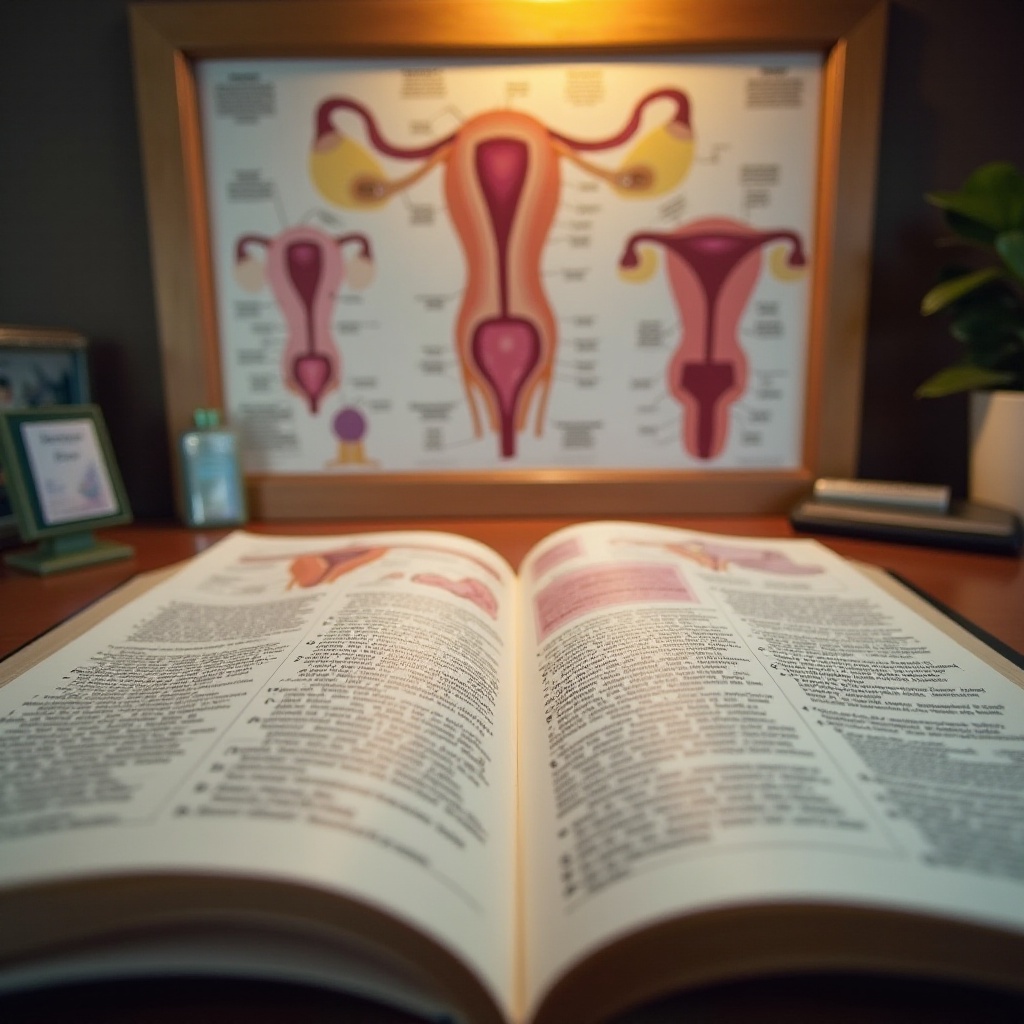
Differences Between UTIs and Yeast Infections
While they can occur simultaneously, UTIs and yeast infections are distinct conditions that require different treatments.
Symptom Comparison
UTIs often present with symptoms like painful urination and cloudy urine, whereas yeast infections are characterized by intense itching, irritation, and a thick, white discharge. Recognizing these symptom differences is essential for effective diagnosis and treatment.
Diagnosis Methods
UTIs are typically diagnosed with a urine test that identifies the presence of bacteria, whereas yeast infections are diagnosed through a physical examination and may involve testing a sample of vaginal discharge. Accurate diagnosis is vital for effective treatment.
Armed with this knowledge, we can better appreciate the different strategies required for preventing these infections.
Effective Prevention Strategies
Preventing infections involves proactive lifestyle adjustments and dietary considerations.
Hygiene and Lifestyle Adjustments
- Wipe correctly: Always wipe from front to back.
- Stay hydrated: Drinking water frequently helps flush bacteria from the urinary tract.
- Choose breathable fabrics: Wear cotton underwear to ensure proper air circulation.
- Visit the bathroom regularly: Avoid holding in urine, which can promote bacterial growth.
Dietary Changes for Prevention
- Limit sugar intake: Reducing sugar can discourage yeast growth.
- Focus on probiotics: Consuming foods like yogurt and kefir can help maintain bacterial balance.
- Maintain a balanced diet: Ensure a diet rich in nutrients to support your immune system’s function.
Seeking Professional Advice
If changes in lifestyle and diet are insufficient, consulting healthcare professionals is crucial. They can provide:
- Personalized treatment plans: Tailoring interventions to your specific needs.
- Early diagnosis: Addressing issues before they develop into major problems.
- Explore vaccinations: Certain vaccines can help reduce the risk of infections.
By implementing these strategies, you can significantly reduce the incidence of UTIs and yeast infections and improve your overall health.
Conclusion
Although recurrent UTIs and yeast infections can be frustrating, understanding their root causes and differences empowers you to take effective action. By adopting healthier lifestyles, seeking professional advice, and making informed decisions, you can manage these infections better and enhance your quality of life.
Frequently Asked Questions
How can I prevent recurring UTIs and yeast infections?
Adopt proper hygiene practices, wear breathable clothing, and maintain a balanced diet low in sugar. Stay hydrated and don’t delay bathroom visits.
When should I see a doctor for recurrent infections?
Seek medical attention if symptoms persist or worsen, or if you experience frequent infections despite prevention efforts, as this could indicate underlying health issues.
Are there any natural remedies to help prevent these infections?
Yes, consuming probiotics like yogurt, maintaining good personal hygiene, and adhering to an anti-inflammatory diet can help manage and prevent these infections naturally.