
Lying down often causes an increase in coughing, disrupting our ability to get a good night’s sleep. In this article, we’ll delve into the reasons behind this phenomenon and offer practical solutions to provide relief. We’ll explore whether it’s mucus accumulation, the effects of gastroesophageal reflux disease (GERD), or postnasal drip that’s causing your nighttime cough.
Introduction
Nighttime coughing can severely impact sleep quality and, consequently, our daytime activities. When we lie down, a variety of factors—from mucus build-up to GERD—can exacerbate this issue. This makes understanding and addressing the problem crucial for maintaining overall health and well-being.
To effectively tackle nighttime coughing, it’s necessary to first understand its causes. We’ll discuss the biological mechanisms that increase coughing when lying horizontally and identify common health conditions that exacerbate these troubling symptoms.

Causes of Increased Nighttime Coughing
Coughing tends to intensify when you lie down due to physical and physiological changes. Various factors contribute to this phenomenon:
-
‘Accumulation of Mucus’: In an upright position, mucus drains naturally into the stomach for elimination. When lying flat, this drainage slows, causing mucus to accumulate in the throat.
-
‘Gastroesophageal Reflux Disease (GERD)’: Lying down can trigger acid reflux, where stomach acids move up into the esophagus, irritating the throat and sparking a cough.
-
‘Postnasal Drip’: Sinus issues or allergies can lead to an excess mucus production that drips down the back of your throat, increasing coughing frequency at night.
Understanding these causes helps you take targeted actions to mitigate them. Addressing these factors can provide pronounced relief and improve sleep quality.
How Sleep Position Affects Coughing
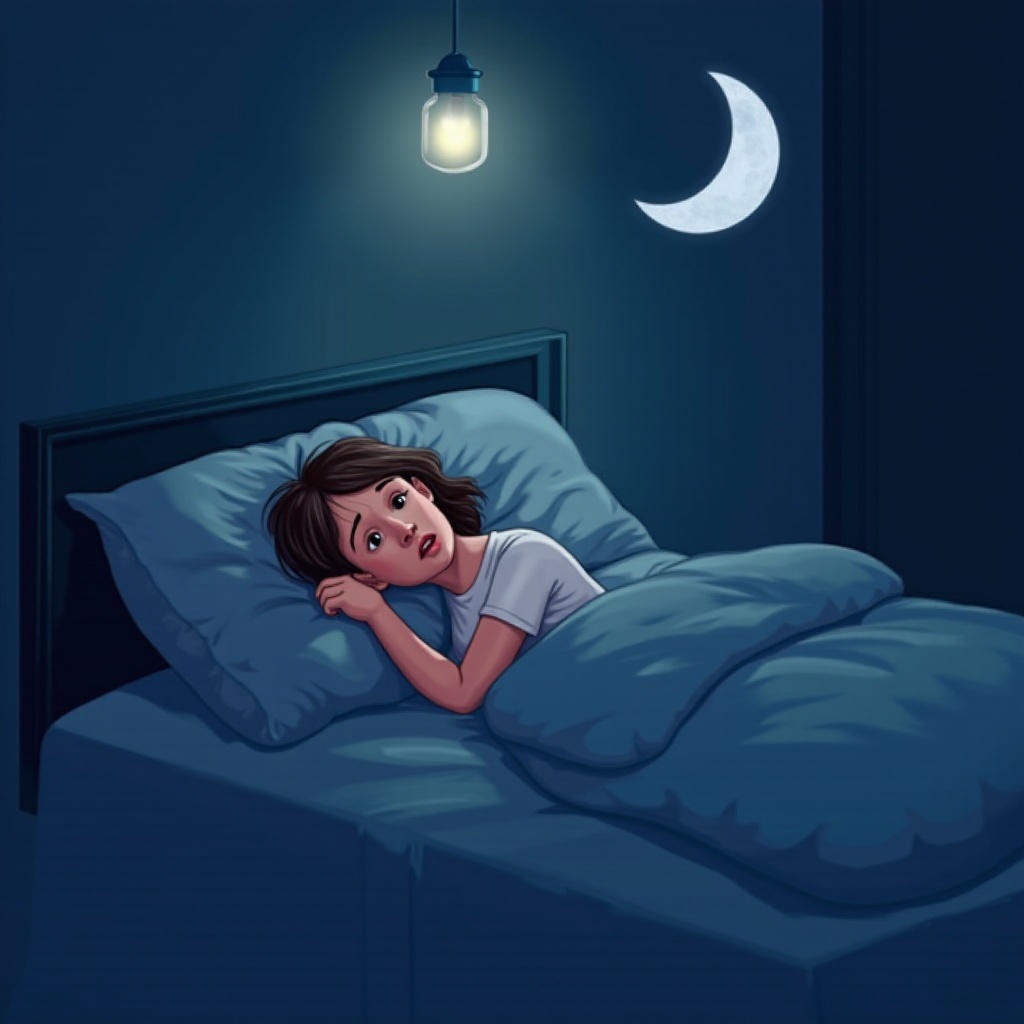
The way you position your body in sleep significantly impacts how much you cough at night. Your sleep position affects bodily functions like mucus drainage and can exacerbate issues such as GERD.
-
‘Impact of Horizontal Positioning’: With your body in a horizontal position, gravitational pull causes mucus pooling and facilitates acid reflux, which can irritate your throat.
-
‘The Influence of Gravity on Throat Irritation’: Without gravity aiding in drainage, fluids like mucus and stomach acid linger longer in the airways and esophagus, causing persistent coughing.
Improving your sleep position can ease these symptoms considerably. Now, let’s explore medical conditions that can further compound the problem when lying down.
Common Medical Conditions Exacerbating Nighttime Cough
Certain medical conditions can increase the severity of coughing when you lie down. Individuals with allergies or asthma may experience heightened symptoms that disturb sleep.
-
‘Allergies and Sensitivities’: Dust mites and other allergens found in bedding can aggravate allergies at night. Using allergy-proof covers for your bedding can significantly alleviate these problems.
-
‘Asthma and Respiratory Issues’: Nighttime can be a critical period for asthma sufferers, as symptoms often intensify at this time. Following your asthma management plan, including the use of prescribed inhalers, can help.
-
‘Respiratory Infections’: Conditions like cold or flu enhance mucus production, leading to a worsening cough in the horizontal position.
Understanding how these medical issues affect your nightly cough is vital. Let’s look into strategies that can help minimize coughing and promote a restful night’s sleep.
Strategies to Minimize Coughing When Lying Down
There’s no reason to resign yourself to a restless night; several strategies can help reduce the frequency and severity of nighttime coughing:
-
‘Elevating Head During Sleep’: Use extra pillows or an adjustable bed to elevate your head and upper torso, aiding in mucus drainage and reducing GERD-related coughing.
-
‘Adjusting Sleeping Environment’: Maintain a clean sleeping area to minimize allergen exposure. Using a humidifier can also help maintain optimal humidity levels between 30-50%.
-
‘Recommended Over-the-Counter Remedies’: Decongestants or antihistamines can provide relief for postnasal drip or allergy-related symptoms. Before starting any medication, consult with your healthcare provider.
Incorporating these strategies can alleviate nighttime coughing to a significant extent. Now, we’ll cover long-term habits that can sustain these improvements.
Long-Term Management Tips
For sustaining relief, long-term management and lifestyle changes are vital. These adjustments can bring lasting improvements.
-
‘Dietary and Lifestyle Adjustments’: Avoid heavy meals and alcohol before bed to minimize GERD symptoms. Engaging in regular physical activity can boost your overall respiratory health.
-
‘Regular Health Check-Ups’: Regular consultations with your healthcare provider can help diagnose and manage underlying conditions effectively, ensuring prompt treatment.
Integrating these practices can ensure a significant reduction in nighttime coughing. Let’s also examine when to seek professional help.

When to Consult a Healthcare Professional
In certain cases, persistent or severe symptoms warrant professional medical advice. Here’s how to know when it’s time:
-
‘Recognizing Serious Symptoms’: Persistent coughing that disrupts daily life, coupled with other warning signs like weight loss or high fever, should prompt a visit to your doctor.
-
‘Diagnosis and Treatment Options’: Healthcare providers can conduct tests to diagnose the root cause of your cough and propose an effective treatment plan.
Ensuring timely professional intervention can significantly alter the path to recovery and relief, providing much-needed comfort.
Conclusion
By understanding the underlying causes of why we cough more lying down, you can explore effective strategies for relief. Through proactive management of these issues, it’s possible to greatly enhance sleep quality and overall health.
Frequently Asked Questions
Why does lying down worsen a cough at night?
Lying down disrupts mucus drainage and can exacerbate GERD symptoms, both of which contribute to increased coughing.
What sleeping position is best for minimizing coughing?
Sleeping with your head elevated aids in respiratory drainage and reduces acid reflux symptoms, minimizing cough.
Can certain foods trigger nighttime coughing?
Yes, foods that are acidic or heavy can worsen GERD symptoms, leading to increased coughing at night.