
Introduction
Mucus serves as an essential part of our respiratory defense system. By capturing dust, germs, and other foreign particles, it protects internal tissues from potential harm. However, when mucus changes color to green, it raises questions about underlying health conditions. This article explores why mucus turns green, what it signifies about your health, and when it might require medical evaluation.
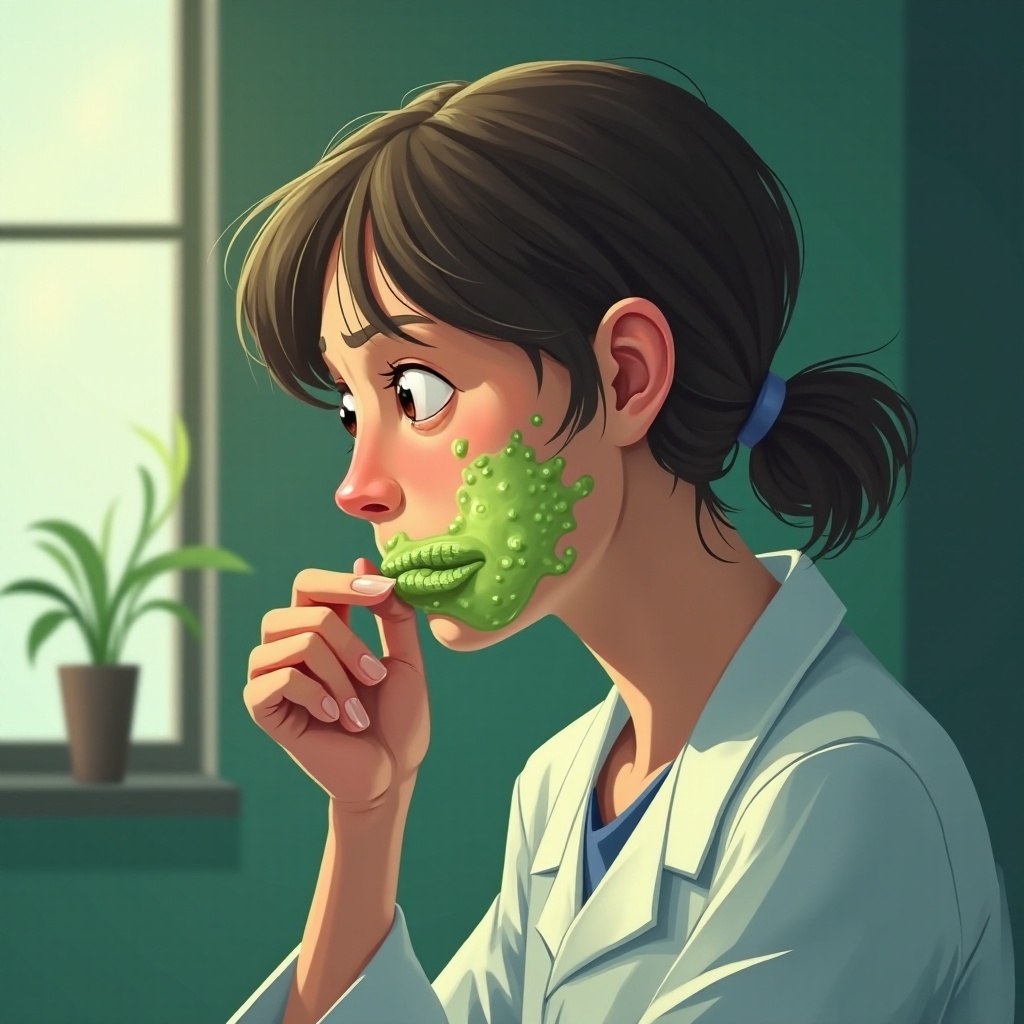
The Role of Mucus in the Body
Mucus plays several critical functions in maintaining health, including protection and hydration of vital organ systems.
What is Mucus?
Mucus is a slimy substance produced by membranes lining your respiratory and digestive tracts. Primarily composed of water, proteins, and salts, it traps pathogens and debris, keeping airways clear.
Functions of Mucus
- Protection: Mucus ensnares dust, bacteria, and allergens.
- Hydration: It prevents tissue dehydration.
- Immune Response: Mucus contains antibodies and enzymes to neutralize threats.
Understanding these functions helps identify why a change, particularly to a green color, might indicate an active immune response against infection.
Causes of Green Mucus
Green mucus often implies that your body is responding to irritants or infections.
Bacterial vs. Viral Infections
Green mucus is often linked to an increase in neutrophils, white blood cells that release a greenish enzyme when combating infections. Here’s how infections differ:
– Viral Infections: Green mucus typically appears towards the end of a cold, showing your immune system’s ongoing battle with pathogens.
– Bacterial Infections: More commonly cause green mucus, often necessitating further medical evaluation for conditions like sinusitis or bronchitis.
Sinusitis and Allergies
- Sinusitis: Bacterial infections in the sinuses can cause prolonged green mucus.
- Allergies: Severe allergies may lead to secondary infections, resulting in green mucus.
Environmental and Lifestyle Factors
- Smoking: Can irritate the respiratory system, altering mucus production.
- Pollution: Indicates chemical irritants causing excess mucus production as the body attempts to expel pollutants.
Recognizing these causes can help determine whether your green mucus requires further medical assessment, which is discussed in the next section.
When to Be Concerned About Green Mucus
Not all instances of green mucus are alarming, but some require medical attention.
Symptoms That Warrant Medical Attention
Consider seeing a healthcare provider if you experience:
– Persistent green mucus lasting over a week
– Severe symptoms like headache, facial pain, or high fever
– Difficulty breathing or chest discomfort
Diagnosis and Evaluation by Health Professionals
Healthcare providers may use several methods to diagnose the cause of green mucus:
– Physical Exams: A thorough review of symptoms and medical history
– Imaging Tests: Possibly X-rays or CT scans to evaluate sinus health
– Cultures: Identifying specific bacteria or viruses through mucus samples
Intervening when symptoms persist is crucial for management, which will be detailed in the following section.

Treatment and Management of Green Mucus
Managing green mucus effectively involves both at-home and professional treatments.
Home Remedies and Lifestyle Changes
Implement these strategies to alleviate symptoms at home:
1. Increase Fluid Intake: Keeps mucus thin and easier to expel.
2. Use a Humidifier: Moisturizes nasal passages to prevent dry, thick mucus.
3. Saline Nasal Rinse: Clears nasal congestion safely.
Over-the-Counter Medications
- Decongestants: Help reduce swelling and facilitate breathing.
- Expectorants: Thin mucus, making it easier to clear out.
Prescription Treatments
- Antibiotics: Used for confirmed bacterial infections.
- Corticosteroids: May reduce extensive inflammation in chronic conditions.
Exploring these treatments can significantly relieve symptoms and prevent complications. However, prevention is equally essential, as we will explore next.
Preventive Measures for Healthy Mucus
Proactively protecting your airway health can minimize issues related to mucus.
Boosting Your Immune System
- Nutrition: A balanced diet rich in vitamins supports immunity.
- Exercise: Regular physical activity strengthens overall health.
Maintaining Good Hygiene
- Frequent Handwashing: Limits exposure to germs.
- Avoiding Allergens: Reduces the likelihood of mucus-triggering reactions.
Implementing preventive measures supports your respiratory health and decreases the potential for conditions that lead to green mucus. Finally, we sum up the critical points discussed.

Conclusion
Green mucus commonly reflects your body’s diligent work in combating invaders. Frequently, it’s an indication of minor illnesses that resolve with proper care. However, recognizing symptoms that require professional evaluation ensures prompt treatment and better outcomes. Armed with this knowledge, individuals can take proactive steps to manage their health effectively.
Frequently Asked Questions
Is green mucus always a sign of infection?
Not always. While green mucus often indicates an immune response to an infection, it can also result from environmental factors or irritants like smoke.
How long should green mucus last before seeing a doctor?
If green mucus persists for more than a week or is accompanied by severe symptoms, it’s best to consult a healthcare professional.
Can allergies cause green mucus?
Severe allergies can lead to secondary bacterial infections, resulting in green mucus due to the body’s immune response.