
Introduction
Vaccinations play a crucial role in safeguarding individuals and communities from infectious diseases globally. Yet, it’s common to experience soreness in the arm after receiving a vaccine. This side effect, though temporary and usually mild, often raises questions. In this comprehensive guide, we will explore why vaccines cause arm soreness, delve into the contributing factors, and discuss practical strategies to alleviate any discomfort.

The Science Behind Vaccine Soreness
To better understand why your arm might hurt after a vaccine, it’s essential to explore the biological mechanisms at play.
Immune System Response
Vaccines are designed to provoke an immune response, prompting your body to produce antibodies without causing disease. This reaction is often accompanied by localized soreness as white blood cells flood the injection site to begin building immunity. While a sign of the body’s natural defense in action, it also results in temporary tenderness.
Inflammatory Process at the Injection Site
Upon receiving a vaccine, inflammation occurs as a natural part of the healing process. Blood flow to the injection area increases, leading to swelling and tenderness. This inflammation, although a cause of discomfort, is a crucial step in stimulating your body’s immune memory, ensuring long-term protection.
Understanding this biological foundation provides a clearer picture of why soreness can occur, setting the stage for discussing factors that might influence the extent of pain experienced.
Factors Contributing to Arm Soreness
Several elements can contribute to the degree of soreness experienced after vaccination, influencing how individuals perceive and react to pain.
Components of the Vaccine
The ingredients within a vaccine, such as antigens, are designed to mimic infection and stimulate immunity. At times, these components can irritate muscle or tissue, leading to soreness. Knowing this can help set realistic expectations post-vaccination.
Influence of Adjuvants
Adjuvants are substances added to some vaccines to boost the immune response. While pivotal for efficacy, they can heighten soreness levels. Understanding the role of adjuvants clarifies why some vaccines might lead to more discomfort than others.
Together, these factors explain the experience of soreness, leading into the exploration of why certain vaccines may lead to more pronounced discomfort.
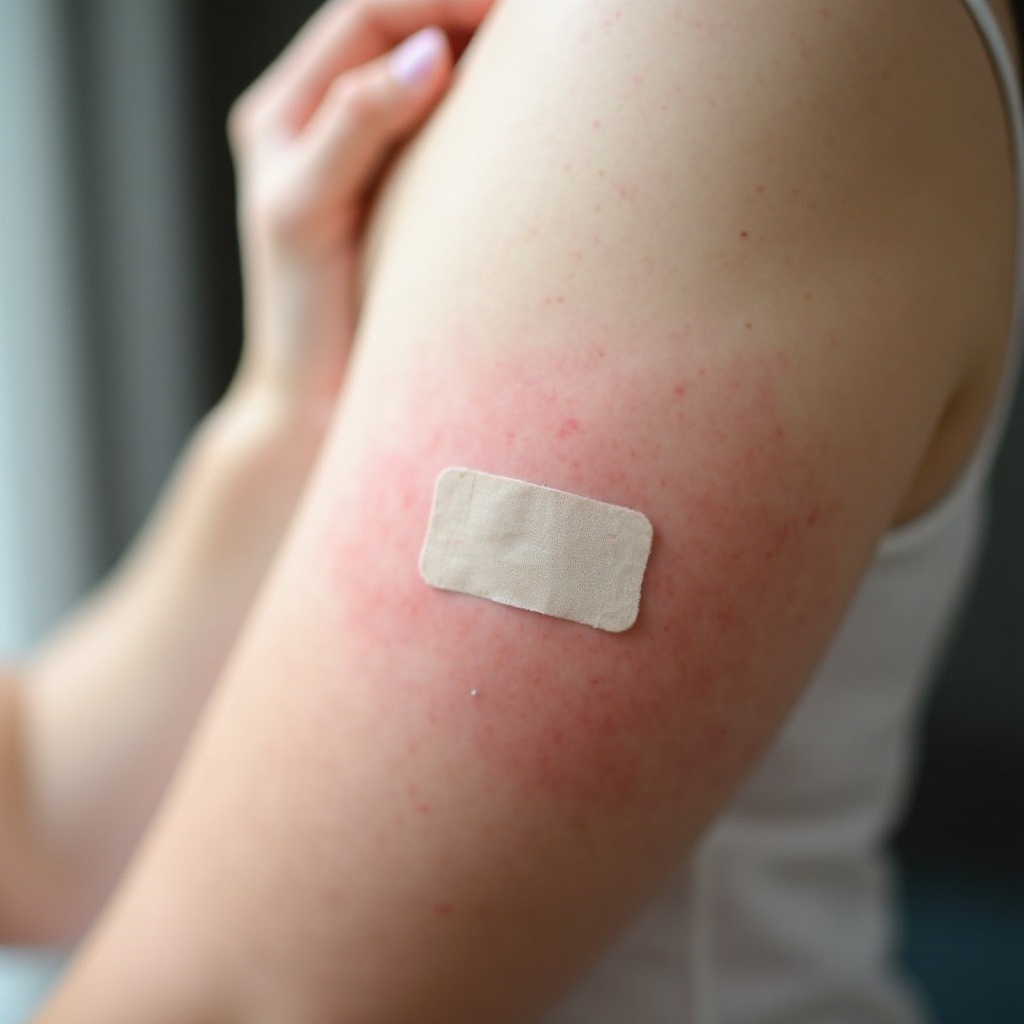
Comparing Vaccines: Why Some Cause More Soreness
Not all vaccines result in the same level of soreness. It’s helpful to compare different types to understand why this variation occurs.
Types of Vaccines
The type of vaccine, whether live or inactivated, can affect soreness levels. Live vaccines often elicit a strong immune response, potentially causing more discomfort than their inactivated counterparts. This understanding helps define expectations.
Injection Methods
Another key factor is the method of injection. Intramuscular injections, which penetrate deep into muscle tissue, may be more painful than subcutaneous injections that just reach the tissue beneath the skin. Recognizing these differences aids in anticipation of possible soreness.
Having reviewed what causes soreness, we can now transition to discuss practical ways of managing and minimizing discomfort.
Managing and Reducing Vaccine Soreness
Though generally mild, there are effective strategies to manage and lessen vaccine soreness, allowing for a more comfortable experience post-vaccination.
Pre-Vaccination Tips
• Relaxation: Keep your arm relaxed during the injection to minimize muscle tension.
• Hydration: Staying well-hydrated can aid recovery.
• Technique: Ensure the person administering the vaccine uses an appropriate technique to reduce inflammation.
Post-Vaccination Care
• Cool Compress: Applying a cool, damp cloth can decrease swelling.
• Pain Relief: Over-the-counter medications like ibuprofen or acetaminophen can alleviate persistent discomfort.
• Gentle Movement: Encourage arm movement to improve circulation and reduce stiffness.
Soreness usually fades within a few days. However, it’s important to know when to consider consulting a healthcare professional.

When to Seek Medical Advice
Most instances of post-vaccine soreness are harmless, but knowing when it’s time to consult a healthcare provider is invaluable.
Differentiating Normal from Abnormal Reactions
If soreness persists beyond a few days, intensifies, or is accompanied by alarming symptoms such as difficulty breathing or extensive rash, seek medical advice. These could signify an adverse reaction requiring professional evaluation.
Gaining insight into normal versus abnormal responses underscores the importance of being informed, transitioning to addressing common misconceptions that can fuel unnecessary concern.
Addressing Common Misconceptions
Misunderstandings about vaccines can enhance anxiety and discourage vaccination. Debunking myths is therefore crucial.
Myths vs. Facts
• Myth: ‘Soreness indicates the vaccine failed.
• Fact: Soreness is a sign your immune system is responding appropriately.
• Myth: ‘Avoid vaccines if concerned about soreness.
• Fact: Temporary soreness is a minor inconvenience compared to the diseases vaccines prevent.
Armed with factual clarity, we segue into concluding remarks that summarize key insights and encourage informed vaccine decisions.
Conclusion
A thorough understanding of why vaccines make your arm sore and how to manage it demystifies temporary discomfort, fostering confidence in vaccination. Soreness is a small price for the considerable protection vaccines afford against serious illnesses. With this knowledge, individuals can make informed health decisions that benefit both themselves and the wider community.
Frequently Asked Questions
Why does my arm hurt more than others after a vaccine?
Individual pain perception varies, influenced by pain tolerance, the specific vaccine, and the injection technique.
Can I do anything before getting a vaccine to prevent soreness?
Yes, staying relaxed during the shot, staying hydrated, and ensuring proper technique can help reduce soreness.
How long does vaccine soreness typically last?
Vaccine-related arm soreness usually resolves within a few days without any lasting effects.