
Introduction
Ear infections are common and often painful, requiring appropriate treatment to prevent complications. When considering antibiotics, one frequently asked question is: can doxycycline treat ear infections effectively? This article will explore doxycycline’s role in treating ear infections, weighing its effectiveness, potential benefits, and available alternatives to assist you in making informed health decisions.

What Are Ear Infections?
Ear infections can appear in various forms, particularly affecting children. Recognizing these forms is essential for seeking timely and appropriate treatment, as different types require distinct approaches.
- Common Types of Ear Infections
- Otitis Media: This is the most common type in children, affecting the middle ear, often accompanied by fluid buildup and pain.
- Otitis Externa: Known as swimmer’s ear, it involves the outer ear canal, leading to itching and discomfort.
- Inner Ear Infections: Although less common, they can cause balance issues and hearing loss.
Understanding the specific type helps in choosing an effective treatment plan, which might include antibiotics such as doxycycline.
-
Causes and Symptoms
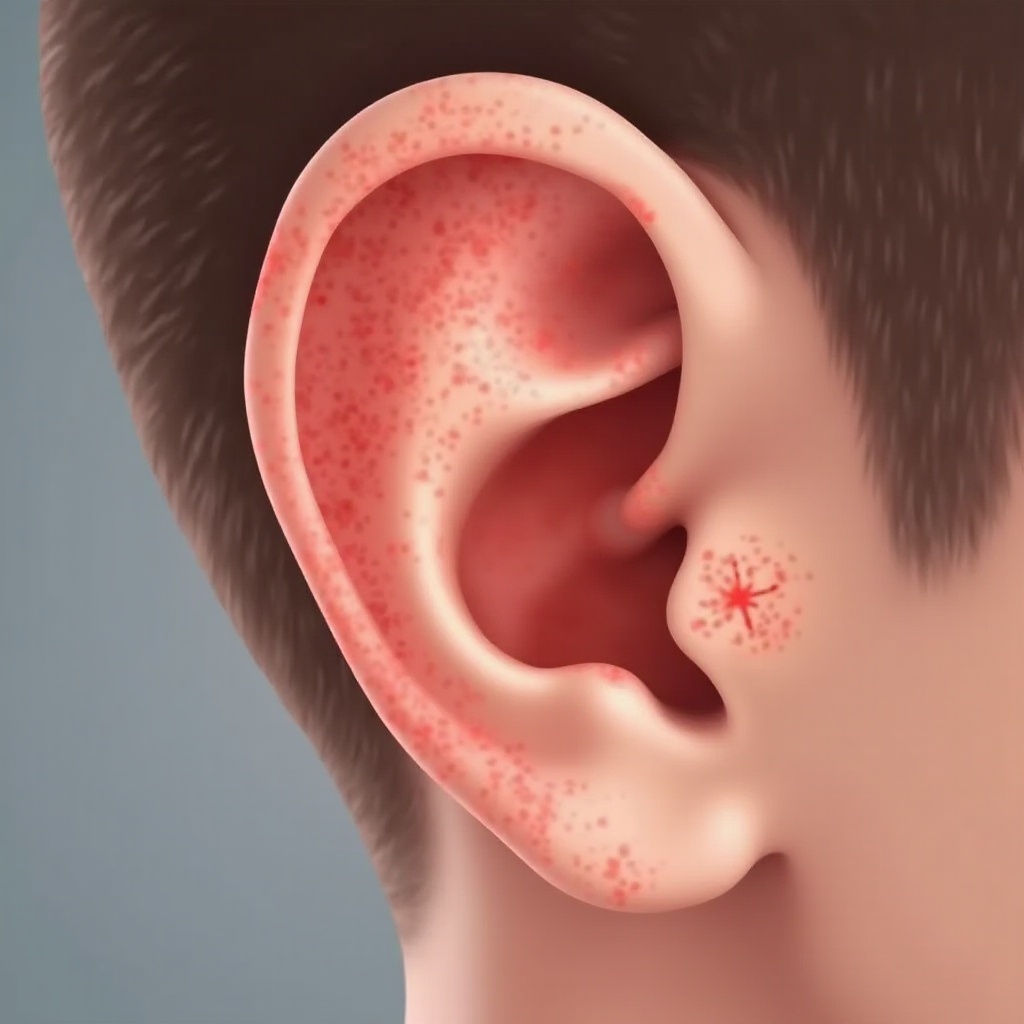
Ear infections are typically caused by bacterial or viral infections leading to inflammation and fluid buildup. Common symptoms include: -
Pain in the ear
- Fever
- Fluid drainage from the ear
- Hearing difficulties
Identifying the root cause and symptoms of an ear infection is essential for prescribing antibiotics like doxycycline, which can effectively combat bacterial causes.
Understanding Doxycycline
Doxycycline is a versatile antibiotic used widely to treat various infections. Knowing how it works can clarify when it might be an appropriate choice for ear infections.
-
Mechanism of Action
Doxycycline belongs to the tetracycline category of antibiotics. It prevents the growth of bacteria by inhibiting protein synthesis, thereby arresting bacterial spread. This broad-spectrum action makes it effective against a wide range of bacterial infections. -
Common Medical Uses
Apart from ear infections, doxycycline is prescribed for: -
Respiratory infections
- Skin infections
- Urinary tract infections
- Tick-borne diseases like Lyme disease
Its broad effectiveness makes it a candidate for treating ear infections, yet it’s essential to assess its application alongside other available treatment options.
The Effectiveness of Doxycycline in Treating Ear Infections
Evaluating the effectiveness of doxycycline for ear infections involves examining specific scenarios and comparing it to other antibiotics.
-
When Doxycycline Is Prescribed
Doctors may opt to prescribe doxycycline for bacterial ear infections, particularly when other antibiotics aren’t suitable due to allergies or resistance challenges. -
Comparing Doxycycline With Other Antibiotics
Amoxicillin is commonly preferred for ear infections due to its targeted bactericidal action. Doxycycline finds its place in treatments when: -
The patient has a penicillin allergy
- The infection is resistant to more common antibiotics
Doctors consider multiple factors, including bacterial resistance trends and patient medical history, before prescribing doxycycline.
Benefits and Limitations of Doxycycline for Ear Infections
Understanding doxycycline’s benefits and limitations helps in making informed decisions regarding its use in treating ear infections.
- Potential Benefits
- Proven efficacy against a broad spectrum of bacteria
- Suitable alternative for patients allergic to penicillin
-
Generally associated with fewer severe side effects compared to other antibiotics
-
Possible Side Effects and Risks
- Gastrointestinal discomfort such as nausea
- Increased sensitivity to sunlight
- Discoloration of teeth if prescribed to children under eight years old
It is crucial to weigh these benefits against the potential risks and to consult healthcare providers before starting treatment.

Safe Usage of Doxycycline for Ear Infections
Appropriate usage of doxycycline maximizes its benefits while minimizing potential adverse effects.
- Recommended Dosages
- For adults, dosages typically range from 100-200 mg per day, adjusted according to infection severity.
-
For children, the dosage should be calculated based on weight and age, with special care taken due to the risks involved.
-
Tips to Minimize Side Effects
- Take the medication with a full glass of water to prevent esophageal irritation.
- Limit sun exposure and use adequate sunscreen to mitigate photosensitivity risks.
Adhering to these guidelines enhances treatment efficacy and minimizes negative experiences when using doxycycline.
Alternatives and Preventative Measures
Exploring alternative treatments and preventative strategies is advisable alongside doxycycline to ensure comprehensive ear infection management.
- Other Antibiotics
- Amoxicillin and ceftriaxone are frequently prescribed alternatives.
-
The choice depends on type of infection, bacteria involved, and patient health history.
-
Non-Antibiotic Relief Methods
- Utilizing warm compresses for alleviating pain
- Over-the-counter pain relievers like ibuprofen
- Adequate hydration and rest to support recovery
Incorporating these methods along with antibiotic therapies can effectively manage and prevent ear infections, reducing recurrence and improving overall outcomes.
Conclusion
In summary, doxycycline can be an effective option for treating certain bacterial ear infections, particularly for those with specific allergies or antibiotic resistance issues. However, benefits and potential side effects must be carefully considered. Consulting with healthcare professionals ensures appropriate treatment, matching individual patient needs and ensuring the best possible health outcomes.
Frequently Asked Questions
Can ear infections heal without antibiotics?
Many mild ear infections resolve without antibiotics, especially if they’re viral in nature. However, bacterial infections often need antibiotics for full recovery.
What are the signs that I need to see a doctor for an ear infection?
Persistent pain, high fever, hearing difficulties, dizziness, and fluid or pus drainage from the ear are signs you should seek medical attention promptly.
Is doxycycline safe for children with ear infections?
Doxycycline is typically not recommended for children under eight due to the risk of permanent tooth discoloration. Alternative treatments are generally advised for younger children.